An Angel in the Kitchen is a real food and family recipe blog.
A place to be able to find our recipes again & remember how we made stuff!
Showing posts with label Making it yourself. Show all posts

Saturday, August 29, 2020

Spicy Vege Pie

This spicy vegetable pie is so utterly delicious and really very like samosas, only there's no deep frying. The pastry is simple and delicious, the filling can be made with leftovers, or designed with great care.
It's good to think ahead before making.
Firstly, pop 113 gms of butter (a stick in US terms & this amount was perfect, so 113 grams it is!) in to the freezer while you peel and cook 3 potatoes- Agria would be great.
So the filling:
Peel, dice and cook 3 Agria (or other mashing potatoes) until tender, pour off the water.
Mash.
In a smaller pot lightly cook some cauliflower- 1&1/2 cups is what we are after.
In a frypan or skillet fry a chopped red onion, a diced carrot and 1/2 a red pepper in a little olive oil.
Towards the end of cooking add 1 tsp cumin seeds and some crumbled curry leaves, a good grating of fresh ginger and fresh turmeric (dry will do too) if you have them.
Add a tsp of good salt and a few grinds of black pepper.
Then add 1/2 cup of frozen peas and continue cooking until they are defrosted.
Combine the mashed potato and the pan full of flavours together, add a tbsp of olive oil and either a big squeeze of lemon juice or some Mango powder (found in Indian shops).
Lastly, snip in some fresh coriander.
That's the filling. Taste and see if you need to adjust the seasonings.

Now the pastry: in to a bowl measure out 1 cup of white flour and 1/2 cup of wholemeal flour.
Grate the frozen butter into the flour and mix it in as you go so that it doesn't get clumpy.
Mix a little with your hands until it all looks like rolled oats but don't over handle and don't fuss too much.
Add 1 tsp of salt, and 2 tsps of toasted cumin- just use the pan that you cooked all the onion etc in.
Cook for a round 2 minutes stirring as you go so that it doesn't over toast.
Add a pinch of sugar.
Make a well in the centre and add 1/4 c of milk and a 1/4 c of yoghurt.
Mix all together with a spoon until it comes together. Kneed a little but not too much.
Place in a small bowl & cover with bees wrap and put into the fridge for an hour, or overnight.
Once you're ready to put it all together.
Turn on the oven to 200 degrees C
Cut the pastry dough in half and roll out on to the bench or a board that is very lightly floured.
Make a rectangle (or any shape that takes your fancy including "handpies").
Spread the filling through the middle- making a hill as you go and leave a little space at the edges.
Roll out the other half and place on top.
Use a good heavy fork to seal around the edges.
Make some slits across the pastry with a knife.
This is so much fun to make "together" with someone you love.
Brush the top with a little melted butter (or beaten egg).
Bake for 10-15 minutes and use fan grill until it's all looking golden and smelling amazing- around another 15 minutes.
This is so delicious just as it is and brilliant served with Samosa chutney from an Indian shop.


The original recipe and inspiration came from this wonderful post here.
Katie X 

Thursday, February 20, 2020

Pineapple Chia Bircher Museli

This recipe for breakfast Bircher Museli over at Petite Kitchen caught my eye recently, so I made some last night and this morning  it was delicious!
I quite often buy a gold pineapple & slow bake the pieces in the oven when I'm cooking other things.
I saved a cup full of pineapple chunks to make this muesli.

 1 cup of fresh pineapple blended with 1/2 yogurt, milk kefir or coconut milk
I like to use a stick blender- so easy.
Stir in a cupful of rolled oats,
2 tbsp chia seeds- either colour
1 tbsp of honey
1 tsp vanilla essence- homemade is good.
A pinch of salt
I also added a handful of chopped dried apricots 
& a diced navel orange.
And...one more thing- 1/2 cup of fresh, shredded coconut that I get at our local Asian grocery- it's in the freezer.
I'm sure there are loads of other variations to try.
Stir well & pop in the fridge overnight.
Cover the bowl with beeswrap.
I like to fill pretty jars with museli & desserts- easy to store.

We served our Bircher Museli with fresh passionfruit & red clover petals.

Cut up the rest of the pineapple & spread it over a roasting dish.
Slow bake at around 120-130 degrees C for half an hour or so, then give the pineapple a stir & drizzle with a little honey & a sprinkle of cinnamon. Bake another half an hour until the flavours have concentrated & the fruit is just starting to turn golden & caramelise.
These keep for ages in the fridge.
The final thing I do with my pineapple is to cut up the core & any hard pieces & place them in to a large Agee jar-
Add a a large tbsp of honey
And half a lemon cut in to piece.
Fill the jar with boiling water- pouring it over the back of a spoon as you go so as not to crack the jar.
Put the lid on & stand for 24-48 hours.
Strain & pour in to 2 small Grolsch bottles, or other good flip top bottles.
Flip down & stand for another 48 hours at which point you will now have a delicious, naturally fermented effervescent drink. If it's not quite fizzy enough just close up the bottle again & leave for another day or so.
This is the basic idea here- although I know longer use the skins unless I know that the pineapple is organic- not overly like in New Zealand.


Katie 

Friday, January 3, 2020

Beetroot Dip

We love beetroot & cook it often.
Bayfresh at our local Farmers' Market grow fabulous beetroot, as does Epicurean & Gay & Robert, when they're not too busy growing plants.
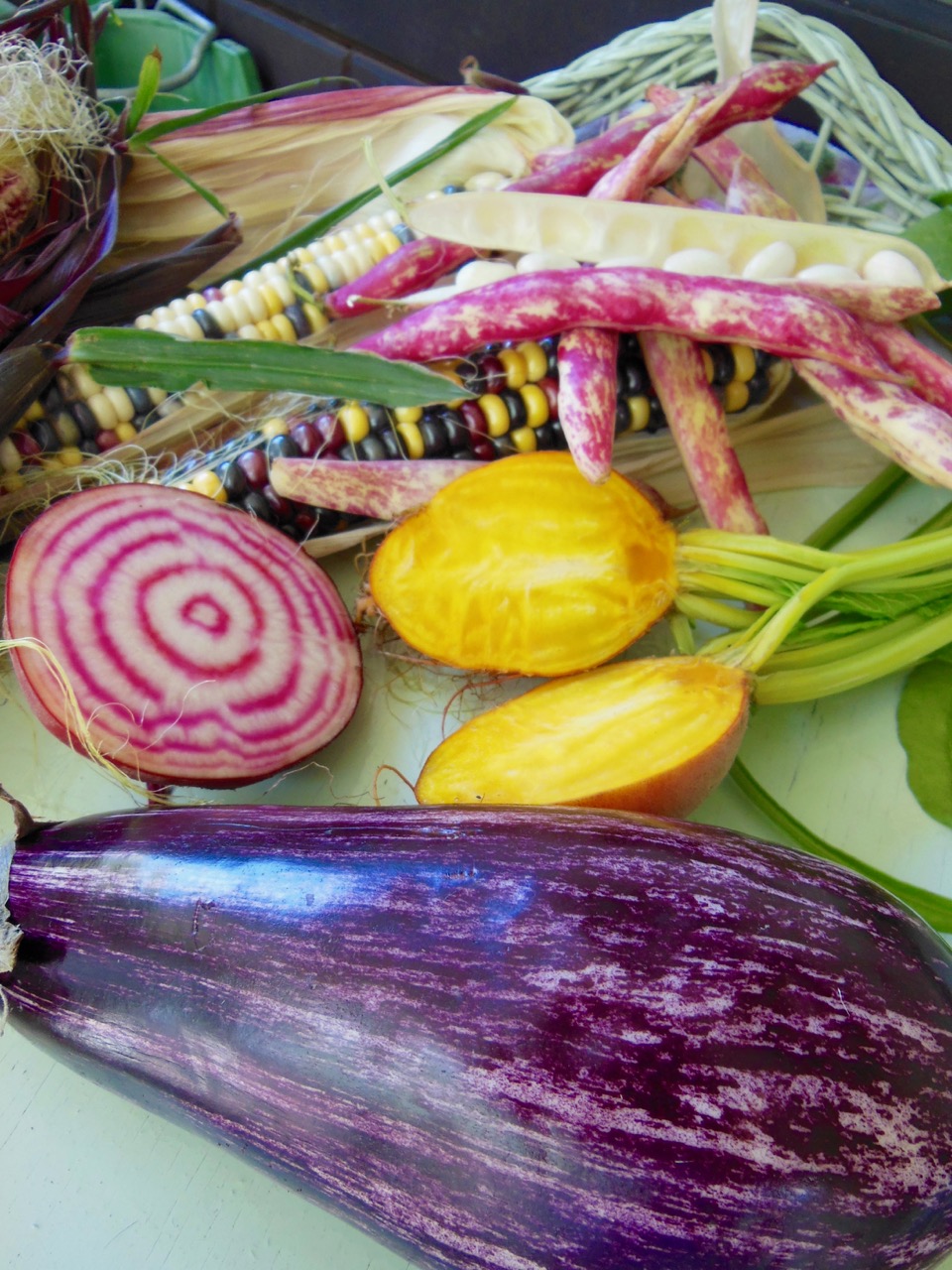
There are so many gorgeous colours now too.
It's marvellous used cold from the fridge or grated & mixed with a simple dressing & kept in the fridge for the week.
Sometimes, I roast beetroot, other times just simmer them until tender- slip off the skins & they're all ready to use. This delicious dip is so simple to make, ever so colourful & goes with almost everything.
 Aren't choggia fascinating!
Whatever your preference- good old red beets or others.
Soak a cup of raw cashew pieces in water for an hour (or overnight if you've thought ahead)
Cook around 350 grams of beetroot until tender.
Drain the cashews thoroughly & slip the skins off the beets.
Place them both in to a bowl together- cut the beet up a bit.
Add 1 tbsp of red wine vinegar, or lemon juice or white balsamic vinegar- whichever you have one hand, or takes your fancy.
1/2 tsp sea salt & loads of freshly ground black pepper.
1/2 tsp cumin seeds ground in a mortar & pestle or spice grinder next then, if you like, add a 1/2 tsp honey.
Last thing- add 2 tbsp melted/softened coconut oil.
Add crushed garlic if it appeals. As soon as I find some onion weed "onions" I'll use a couple of those in the next lot.
Blend together with a stick blender or in a food processor.

Here are a few alternatives: instead of cashews use a cup of lightly toasted walnuts. Wild onion bulbs work as an excellent alternative to garlic- perhaps 6 or 7 bulbs would be great. Roll them with the flat of your hand on a hard surface & the papery skins come off, then process with the nuts. Olive oil is a good alternative to coconut oil you'll just get a different texture depending on which nuts are used & which oils. A little soy/tamari sauce in to the red beetroot dip is also nice. 
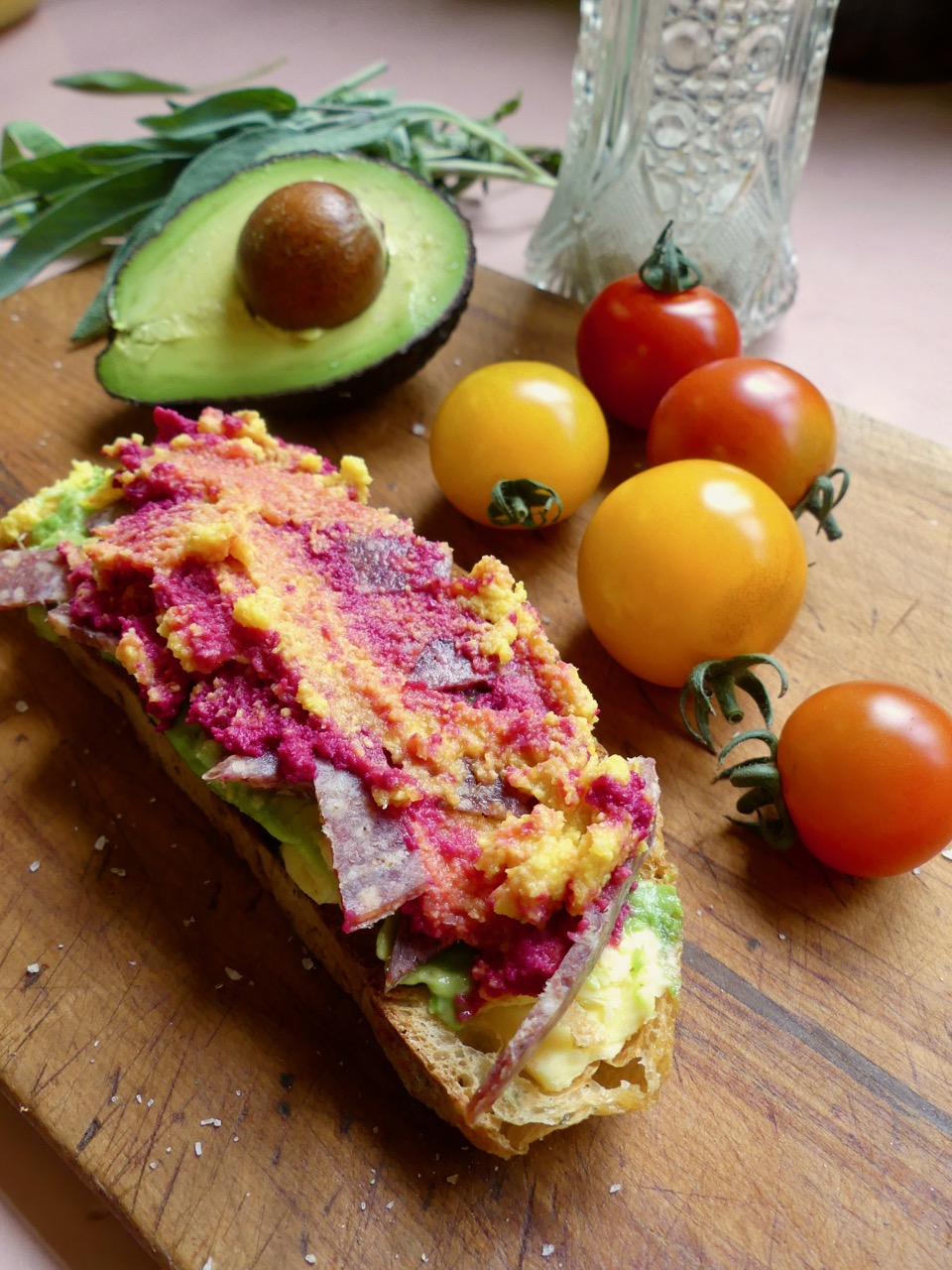
 The top version was made with red beets, yellow version was made with orange ones & the bottom bright pink lot was made with an equal mixture of the two.
 All three together.
 Delicious for a picnic.
 Amazing with other summer salads.
And I was just thinking that it would be brilliant added in as a layer in these delicious salad, summer beetroot wraps.

And one more inspiration-

Basic recipe- from Ruth Pretty passed on from my best cooking friend & inspiration Suzanne.
Katie X
Saturday, March 30, 2019

Smoky Haw Sauce

Hawthorn is one of our favourite wild foods and is also a beautiful medicine and tonic for the heart. The berries, also known as haws, are ripe & ready to harvest through late March & the month of April. Some say that they taste sweeter after a frost, but if I'd followed that advice in one spot last year, I would have lost the lot to the pukekos!
We gathered these haws (below) up the Esk valley in Hawke's Bay last week and they are just perfect. Thanks to Abby @ Earthly Pearls and her wonderful hawthorn post and recipe for smoky haw sauce we have been able to get the hang of making our own sauce and it's totally worth the effort.
Haws are not something that you can pick in a hurry and since the plants have long thorns, are frequently found on steep hillsides and the fruit is quite small, we find that we come home with a very manageable amount of fruit with each picking.
Firstly, we sit for a few minutes at a time gently pulling off the berries and discarding as many stalks as possible & any leaves.
We both love this therapeutic process.
Next, wash the berries well and drain in a colander.
Put in to a pot that matches the amount of berries that you have and just barely cover with a mix of half water and half good apple cider vinegar.
I like to leave them to soak in the vinegar for an hour or two, or even overnight.
Then, turn on the heat & gently bring them to the boil. Simmer for around half an hour until the colour has gone out of the fruit and they have become soft.
Pour the liquid in to a jug and push the cooked berries through a coarse sieve or colander.
Using a potato masher is quite handy for squishing everything up and then we take turns working the soft stuff through the sieve until all we have left is some fibre and the little stones from inside the fruit or we've had enough- which ever comes first. Adding some of the liquid every now again also helps to get the pulp through to the other side.
Carefully scrape the goodness from the back side of the sieve as best you can & then discard the seeds that remain.
Pop the sieved hawthorn back in to the pot with any left over liquid.
This is not a strict recipe- just a general take it as it comes arrangement so, say to 
~ 3 cups of pulp I then add around a cup of raw sugar (or you could use honey)
~ 1/2 tsp of good salt, some ground black pepper
~ 1 large tsp of smoked paprika 
~ 1/2 tsp of chipotle powder (don't worry if you don't have any but it really is amazing)
Simmer all these bits and pieces together for perhaps 15- 20 minutes until thick and smooth.
Check the seasonings and balance and add more salt, sugar or spice to taste.
Pour in to sterilised jars or bottles.
No idea if it keeps well as we ate it all before we could find out!
Here is another plain version with measurements:

  1. 500g of hawthorn berries.
  2. 300ml of cider vinegar.
  3. 300ml of water.
  4. 170g of sugar.
  5. 1/2 tsp salt.
  6. freshly ground black pepper.


Friday, March 1, 2019

Pickled Myoga Ginger Flowers & Sushi Ginger

Myoga ginger is a Japanese woodland ginger that is used mostly for the edible flowers that appear in early autumn. These flowers are rather peculiar as they grow at ground level which is most surprising indeed.

Pick the flower buds and remove any tough outer layers.
Give them a little wash and pat dry.

Slice 8-10 buds finely which ever way takes your fancy.

Bring to the boil in a little pot:
1/2 C of apple cider vinegar & 1/ 2 C of rice wine vinegar (or just one or the other- your preference).
Add 1/4 C raw sugar & 1/2 tsp good salt.
Stir to dissolve.

Pour this mixture over the sliced ginger & add some red shiso leaves (also known as beefsteak) if you have them.
Leave to cool and infuse for several hours, or overnight.
Store in the fridge.

If you want to make more to keep just make the pickle into a sterilised jar with a plastic lid and seal. Keeps well for ages.

The red things in the colander are hyacinth beans and the green ones are Peans.
I added the few hyacinth beans & some shiso leaves to this pickle.
Very quickly the ginger is pickled & turns a wonderful pink colour and tastes amazing- perfect unami flavours.
 Lovely with radicchio..
 and fresh figs, feta, gynura bi-colour (red vegetable- tastes like gingery spinach) and avocado.
Any left over pickle juice can be used to make vinaigrette dressings. 

Just as easily made, is Sushi pickled ginger.
if I had realised sooner, just how easy it is to make Gari or Amazu Shoga, I would have made it years ago.
Peel & finely slice around 250 grams of good, tender looking fresh ginger root.
Put in to a bowl & sprinkle with 1 1/2 tsps sea salt. Stand for 30 minutes & then transfer in to a clean jar of a suitable size.
Bring 1 cup of good rice wine vinegar & 1/3 c sugar to the boil- stirring as you go to dissolve the sugar. I used a fine raw organic sugar.
Pour the hot vinegar over the ginger in the jar. Cool. Put on the lid & store in the fridge for a day or so until well pickled. The rice vinegar will turn the ginger pink quite quickly, but for a deeper shade you can also add a few Red shiso leaves.
Red shiso is a really tasty & interesting summer annual herb that we find delicious.
Red Shiso


Katie X

Saturday, February 2, 2019

Elderberry Elixir

Elderberry elixir is a glorious thing- so deliciously, fragrant and immune boosting too.
In contrast to the delicate creamy elder flowers with their musky, distinctive fragrance, the berries that ripen through late January and all through February are dark staining and powerful medicine. 


I have made syrups with the elder berries and even tried them raw, but they do not agree with me in that state, so instead, each year, I make an elixir- which is very simple and utterly delicious.
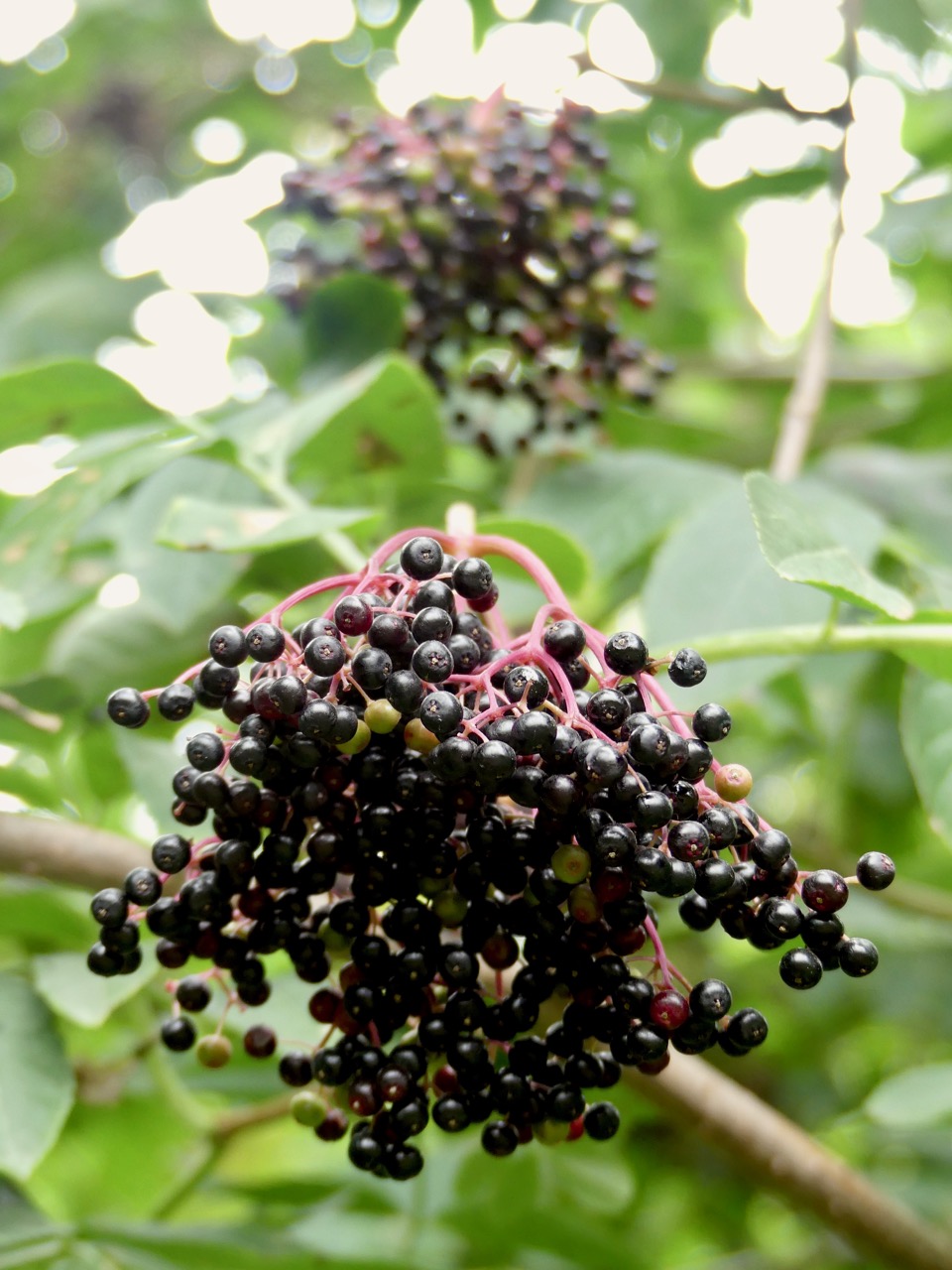
The berries must be as ripe as possible- dark and black, so you have to nab them just before the birds get to them. If they are not quite ripe all over just leave them in a bowl for a day or two & they will soon darken up. 
Remove the berries from their clusters with your fingers or a fork. I don't worry too much about the odd stalk. Fill any sized jar with the berries to around two thirds full, pour in some brandy until  the berries are just covered and then add honey to taste. You'll need a good lot of honey as elderberries have no natural sweetness of their own.
Leave in a cool dark place for a good month to 6 weeks before eating.

So all you need is a jar with a good lid, the elderberries, brandy and honey.

The first year I poured off the elixir and bottled it.
Now I just leave it all in together, as I find the berries are also then edible having been "marinated" nicely and are utterly delicious.
The elixir can then be taken by the spoonful, diluted in to water, fizzy water or added in to a hot drink of fruity tea. Drizzled over ice cream or added in to a berry cheesecake also works very nicely.
The elixir is then ready just in time for autumn and helpful for buoying the immune system as we head in to cooler weather. Elder flowers and berries are lovely medicine and provide useful and unique nutrients too. 

http://bearmedicineherbals.com/another-gratuitous-elderberry-post.html

You can also see how to make a simple elderflower fizz just here.